
The Journal · Content Marketing
The Definitive Guide to Using UGC for Marketing
Where do you find creators who can produce high-quality, authentic content? How do you encourage your audience to share their experiences? And how do you ensure the content aligns with your brand’s goals? This guide is here to answer all those questions, and more...
In a world where consumers are bombarded with polished ads and carefully curated brand messages, authenticity has become the ultimate currency. Enter User-Generated Content (UGC). The raw, relatable, and real content created by everyday people, not marketing teams. Whether it’s a glowing review, a stunning Instagram post, or a heartfelt blog article, UGC has the power to build trust, spark engagement, and drive conversions like no other marketing strategy.
However, here’s the catch: while UGC is incredibly effective, many brands struggle to fully harness its potential. Where do you find creators who can produce high-quality, authentic content? How do you encourage your audience to share their experiences? And how do you ensure the content aligns with your brand’s goals?
This guide is here to answer all those questions, and more. Whether you’re a seasoned marketer or just starting to explore UGC, we’ll walk you through everything you need to know, from understanding what UGC is to finding the right creators and measuring your success. Plus, if you’re a GetBlogged.net user, you’ll discover how to leverage the platform to connect with talented bloggers and influencers who can take your UGC strategy to the next level.
Ready to unlock the power of UGC and transform your marketing? Let’s dive in.
What is UGC?
User-Generated Content (UGC) refers to any content created by individuals rather than brands. It’s authentic, relatable, and often more trusted by audiences than traditional brand-created content. UGC can take many forms, including:
Social Media Posts
Photos, videos, or captions shared by customers or influencers showcasing your product or service.
Example: A customer posting an Instagram story of their meal at a restaurant.
Blog Posts
Long-form content written by bloggers or influencers, such as product reviews, tutorials, or brand features.
Example: A beauty blogger writing a detailed review of a skincare product.
Video Content
Unboxings, tutorials, or testimonials shared on platforms like YouTube or TikTok.
Example: A fitness influencer sharing a workout video using your equipment.
Reviews and Testimonials
Honest feedback from customers on your website, Google, or third-party platforms.
Example: A glowing review on a product page or a video testimonial from a happy customer.
Hashtag Campaigns
Content created by users under a branded hashtag.
Example: A travel company encouraging users to share vacation photos with #ExploreWithUs.
Community Content
Discussions, Q&A threads, or user-submitted ideas on forums or social platforms.
Example: A tech brand’s customers sharing tips and tricks in a community forum.
Why UGC Matters for Brands
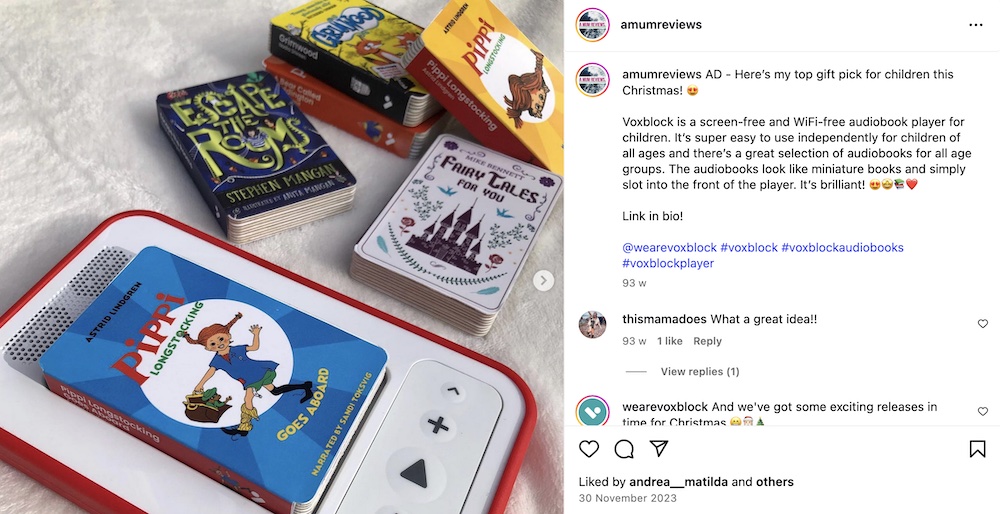
UGC has become a cornerstone of modern marketing because it delivers results. Here’s why it’s so effective:
- Authenticity Builds Trust: People trust content from other people more than they trust ads. UGC feels genuine and relatable, which helps build credibility.
- Boosts Engagement and Reach: UGC encourages interaction, whether it’s likes, shares, or comments. It also expands your brand’s visibility to new audiences.
- Cost-Effective Content Creation: Instead of investing heavily in professional photoshoots or ad campaigns, UGC provides high-quality content at a fraction of the cost.
- Improves SEO and Social Proof: Blog posts, reviews, and testimonials improve your search rankings and influence purchase decisions.
- Drives Conversions: UGC acts as social proof, reassuring potential customers and nudging them toward making a purchase.
Types of UGC and How to Use Them
Here’s a closer look at the different types of UGC and how brands can leverage them:
How to Encourage UGC Creation
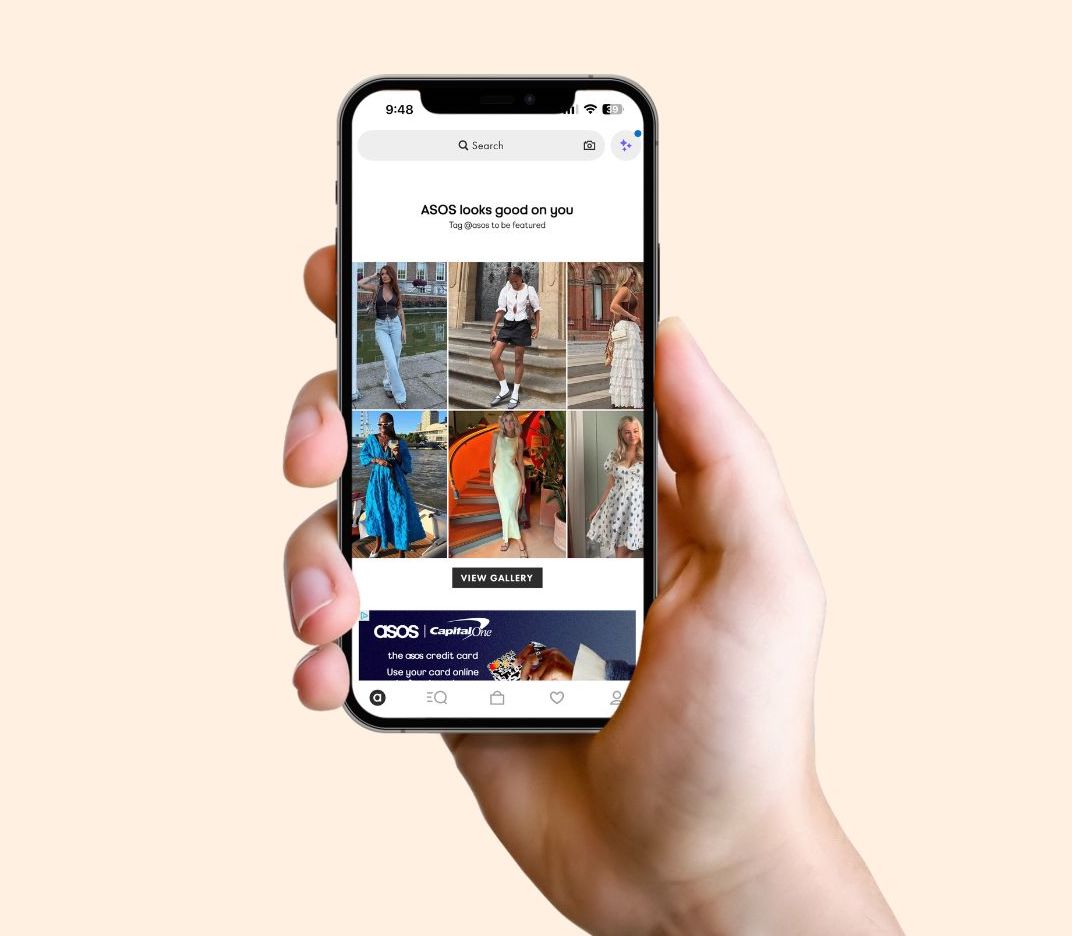
Encouraging your audience to create content for your brand is both an art and a science. It requires a thoughtful mix of strategy, incentives, and community engagement. When done right, it not only generates authentic content but also strengthens the bond between your brand and its customers. Below are some effective ways to inspire your audience to contribute user-generated content (UGC).
Incentivise Participation
One of the most effective ways to encourage UGC is by offering something in return. People are more likely to create content for your brand if they feel rewarded for their efforts.
Offer Discounts or Freebies
Providing discounts, free products, or exclusive access to events can motivate customers to share their experiences. For example, a skincare brand might offer a 10% discount to customers who post a photo of their purchase on Instagram and tag the brand. This not only encourages content creation but also increases brand visibility.
Exclusive Access as a Reward
For loyal customers or influencers, offering early access to new products or exclusive behind-the-scenes content can be a powerful incentive. This makes them feel valued and gives them something unique to share with their audience.
Create Branded Hashtags
Branded hashtags are a simple yet powerful way to organise and encourage UGC. They provide a unified theme for your audience to contribute to and make it easy for you to find and curate their content.
Make It Memorable
Your branded hashtag should be short, catchy, and easy to remember. For example, a travel company might use #WanderWithUs to encourage customers to share their vacation photos. A memorable hashtag increases the likelihood of users participating and ensures your brand is easily discoverable.
Promote Your Hashtag
To maximise participation, promote your branded hashtag across all your marketing channels, including social media, email campaigns, and even product packaging. The more visible the hashtag, the more likely your audience will use it.
Run Contests and Challenges
Contests and challenges are a fun and engaging way to inspire UGC. They create a sense of excitement and urgency, encouraging users to participate within a specific timeframe.
Design a Shareable Challenge
Create a challenge that aligns with your brand and is easy for users to participate in. For example, a fitness brand could run a “30-Day Challenge” where participants share their progress using a specific hashtag. This not only generates UGC but also fosters a sense of community among participants.
Offer Attractive Prizes
To boost participation, offer prizes that resonate with your audience. These could range from free products to gift cards or even exclusive experiences. The more appealing the reward, the more likely users are to join in.
Engage with Your Community
Building a strong relationship with your audience is key to encouraging UGC. When users feel connected to your brand, they’re more likely to create and share content.
Respond to Comments and Messages
Take the time to engage with your audience by responding to their comments, messages, and posts. A simple “thank you” or a thoughtful reply can go a long way in making users feel valued and appreciated.
Share User Content
Reposting user-generated content on your brand’s social media accounts is a great way to show appreciation and encourage others to contribute. For example, a food brand could share recipes created by customers using their products. This not only highlights your community but also inspires others to join in.
Foster a Sense of Belonging
Create a community where your audience feels like they’re part of something bigger. This could be through social media groups, forums, or even in-person events. When users feel like they belong, they’re more likely to create content that reflects their connection to your brand.
Make UGC Creation Easy
The easier it is for your audience to create and share content, the more likely they are to do it. Remove any barriers that might discourage participation.
Provide Clear Instructions
Be specific about what kind of content you’re looking for and how users can share it. For example, if you’re running a contest, outline the steps for participation, including how to tag your brand and use your hashtag.
Offer Tools and Templates
Provide your audience with tools or templates to make content creation easier. For example, you could offer Instagram Story templates, photo filters, or even a guide on how to take great product photos.
Track and Celebrate UGC Success
Once your audience starts creating content, it’s important to track and celebrate their contributions. This not only shows appreciation but also motivates others to participate.
Highlight Top Contributors
Feature standout UGC creators on your social media accounts, website, or email campaigns. This recognition can inspire others to create content in the hopes of being featured.
Share Success Stories
Showcase how UGC has positively impacted your brand. For example, share a case study or testimonial from a customer whose content led to increased engagement or sales. This reinforces the value of UGC and encourages more participation.
By implementing these strategies, you can create a thriving ecosystem of user-generated content that not only promotes your brand but also builds a loyal and engaged community. UGC is about connection, and when your audience feels connected to your brand, the possibilities are endless.
How to Find UGC Creators

Finding the right UGC creators can feel overwhelming, especially if you’re new to the process. But with the right approach, you can identify creators who align with your brand and deliver high-quality, authentic content. Here’s a step-by-step guide to help you get started:
Step 1: Define Your Goals
Before you start searching for UGC creators, it’s important to clarify what you want to achieve. Ask yourself:
- What type of UGC do I need? (e.g., blog posts, Instagram photos, TikTok videos, reviews)
- What’s the purpose of this content? (e.g., increase brand awareness, drive sales, improve SEO)
- What’s my budget for working with creators?
Having clear goals will help you narrow down your search and find creators who can deliver the results you’re looking for.
Step 2: Identify Your Target Audience
The best UGC creators are those who resonate with your target audience. Think about:
- Demographics: What age group, location, or interests does your audience have?
- Platforms: Where does your audience spend their time online? (e.g., Instagram, TikTok, blogs)
- Content Style: Does your audience prefer polished, professional content or raw, authentic posts?
By understanding your audience, you can find creators who already have an engaged following within your niche.
Step 3: Start Your Search
Here are some practical ways to find UGC creators:
- Search Social Media Platforms Use hashtags related to your industry or product to discover creators who are already talking about similar topics.Example: A skincare brand might search for hashtags like #SkincareRoutine or #CleanBeauty. Look at your brand’s tagged posts to find customers or influencers who are already creating content about your products.
- Leverage Influencer Platforms
Platforms like GetBlogged.net, Aspire, or Upfluence make it easy to connect with bloggers and influencers who specialise in creating UGC. Why it works: These platforms allow you to filter creators by niche, audience size, location, and more, saving you time and effort. - Check Your Existing Community Look at your current customers or followers. Are there any loyal fans who are already creating content about your brand? Reach out to them directly and offer incentives to create more content.
- Google Blog Searches Search for blogs in your niche using keywords like “best [industry] blogs” or “[product] reviews.” Reach out to bloggers who have written about similar products or topics.
- Ask for Recommendations Network with other brands or marketers in your industry to get recommendations for reliable UGC creators.
Step 4: Evaluate Potential Creators
Not all creators are the right fit for your brand. Here’s how to evaluate them:
- Content Quality Review their past work to ensure it aligns with your brand’s aesthetic and tone. Look for creators who produce high-quality, engaging content that feels authentic.
- Engagement Rates Don’t just focus on follower count. Check how engaged their audience is by looking at likes, comments, and shares. A micro-influencer with 5,000 highly engaged followers can be more effective than a creator with 100,000 disengaged followers.
- Audience Alignment Make sure their audience matches your target demographic. Check their comments section to see if their followers are genuinely interested in the topics they post about.
- Professionalism Look for creators who are responsive, reliable, and easy to work with. Check if they’ve worked with brands before and delivered results.
Step 5: Reach Out to Creators
Once you’ve identified potential UGC creators, it’s time to reach out. Here’s how to do it effectively:
- Personalise Your Message Mention why you’re interested in working with them and highlight specific content of theirs that you admire. Example: “Hi [Name], I loved your recent blog post about sustainable fashion. Your content aligns perfectly with our brand, and we’d love to collaborate with you on a campaign for our eco-friendly clothing line.”
- Be Clear About Expectations Outline what you’re looking for (e.g., a blog post, Instagram story, video review) and any specific requirements. Example: “We’d like you to create an Instagram post featuring our product, with a focus on its eco-friendly benefits.”
- Discuss Compensation Be upfront about your budget and what you’re offering in return (e.g., payment, free products, exposure). Example: “We’re offering $200 for the post, plus a free product of your choice.”
- Provide Creative Freedom While it’s important to share your goals, allow creators the freedom to produce content in their own style. This ensures the content feels authentic to their audience.
Subject Line: Let’s Collaborate on an Eco-Friendly Campaign! Hi [Name], I hope you're well! I recently came across your blog post about sustainable fashion, and I was so impressed by your thoughtful approach to promoting eco-conscious choices. Your content truly resonates with our mission at [Your Brand Name], and I believe you’d be a perfect fit for an exciting collaboration we have in mind. We’re launching a campaign to highlight the eco-friendly benefits of our [specific product or clothing line], and we’d love for you to be part of it. Specifically, we’d like you to create an Instagram post featuring our product, focusing on its sustainable features and how it aligns with your values. Here’s what we’re offering: Compensation: £160 for the Instagram post. Free Product: You’ll get to choose a product from our collection to feature in your content. We’re confident that your unique voice and creative style will help us inspire others to make more sustainable choices. If this sounds like something you’d be interested in, let me know, and I’d be happy to share more details about the campaign and next steps. Looking forward to hearing from you! Best wishes,[Your Full Name][Your Job Title][Your Brand Name][Your Contact Information]
Step 6: Build Long-Term Relationships
Instead of treating UGC creators as one-off collaborators, aim to build long-term partnerships. Here’s why:
- Consistency: Working with the same creators over time helps maintain a consistent brand message.
- Trust: Their audience will see them as genuine advocates for your brand.
- Efficiency: You’ll spend less time searching for new creators and more time focusing on results.
Pro Tips for Finding UGC Creators
- Start Small: If you’re new to UGC, start with a few micro-influencers or bloggers to test the waters.
- Look for Passion: Creators who genuinely love your brand will produce the most authentic content.
- Be Patient: Building a network of reliable UGC creators takes time, but the results are worth it.
By following these steps, you’ll be well on your way to finding UGC creators who can help you build trust, engage your audience, and grow your brand. Would you like me to expand on outreach templates or provide examples of successful collaborations?
Legal and Ethical Considerations

When using UGC, it’s important to follow legal and ethical guidelines:
How to Curate and Showcase UGC

Once you’ve collected user-generated content, the next step is to curate and showcase it in a way that maximises its impact. UGC is only as powerful as the way it’s presented. When done right, it can elevate your brand’s authenticity, engage your audience, and drive conversions. Here’s how to curate and showcase UGC effectively:
Step 1: Curate the Best UGC
Not all UGC is created equal, so it’s important to carefully select the content that aligns with your brand and resonates with your audience. Here’s how to curate the best pieces:
- Define Your Criteria Look for content that reflects your brand’s values, tone, and aesthetic. Prioritise high-quality visuals and well-written captions or reviews. Ensure the content is relevant to your marketing goals (e.g., promoting a specific product or campaign).
- Use Tools to Streamline Curation Platforms like GetBlogged.net can help you find and manage UGC from bloggers and influencers. Social media tools like Later, Hootsuite, or Sprout Social allow you to monitor branded hashtags and tagged posts for potential UGC.
- Engage with Your Community Regularly check your brand’s tagged posts, mentions, and comments for hidden gems. Encourage your audience to use a branded hashtag so you can easily find their content.
- Filter for Brand Safety Review all UGC to ensure it’s appropriate and aligns with your brand’s messaging. Avoid content that could be misleading, off-brand, or offensive.
Step 2: Showcase UGC Across Multiple Channels
Once you’ve curated the best UGC, it’s time to put it to work. Here are some creative ways to showcase UGC across your marketing channels:
Step 3: Repurpose UGC for Maximum Impact
UGC is versatile and can be repurposed across different formats and channels. Here’s how to get the most out of it:
- Turn Reviews into Graphics Utilise tools like Canva to transform customer reviews or testimonials into visually appealing social media posts.
- Create Collages or Montages Combine multiple pieces of UGC into a single post, video, or email to showcase a variety of perspectives.
- Incorporate UGC into Blog Posts Use customer stories, photos, or videos to add authenticity to your blog content.Example: A travel blog featuring customer-submitted photos of destinations they’ve visited.
- Use UGC in Presentations Include UGC in pitch decks, investor presentations, or internal reports to demonstrate customer engagement.
Step 4: Maintain Brand Consistency
While UGC is inherently authentic, it’s still important to ensure it aligns with your brand’s identity. Here’s how to maintain consistency:
- Set Clear Guidelines Provide your audience with tips on how to create content that fits your brand’s aesthetic.Example: “We love bright, natural photos! Tag us with #OurBrand for a chance to be featured.”
- Edit When Necessary Lightly edit the UGC (with permission) to ensure it aligns with your brand’s style. For example, adjust photo brightness or crop images to fit your social media layout.
- Be Selective Only showcase UGC that reflects your brand’s values and messaging.
Ready to See What UGC Can Do for You?
UGC is a powerful tool for building trust, driving engagement, and boosting conversions. By collaborating with bloggers and influencers, brands can scale their UGC efforts and create authentic, impactful content. Start by identifying your goals, finding the right creators, and measuring your results to refine your strategy.